A damaged tooth can quietly change the way you eat, speak, and smile. You may start chewing from one side, avoiding certain foods, or hiding your smile without even realising it. That is where dental crowns can help.
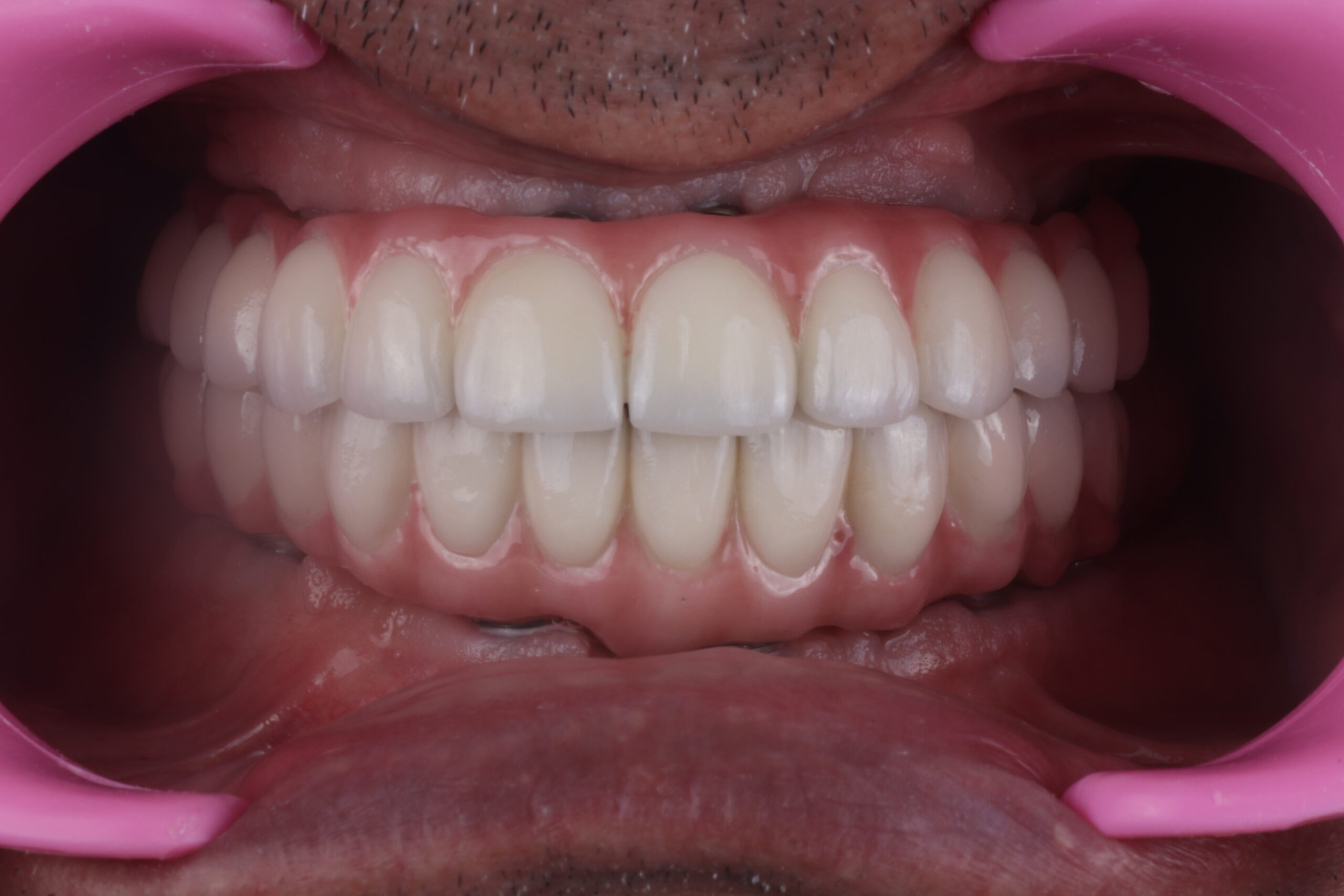
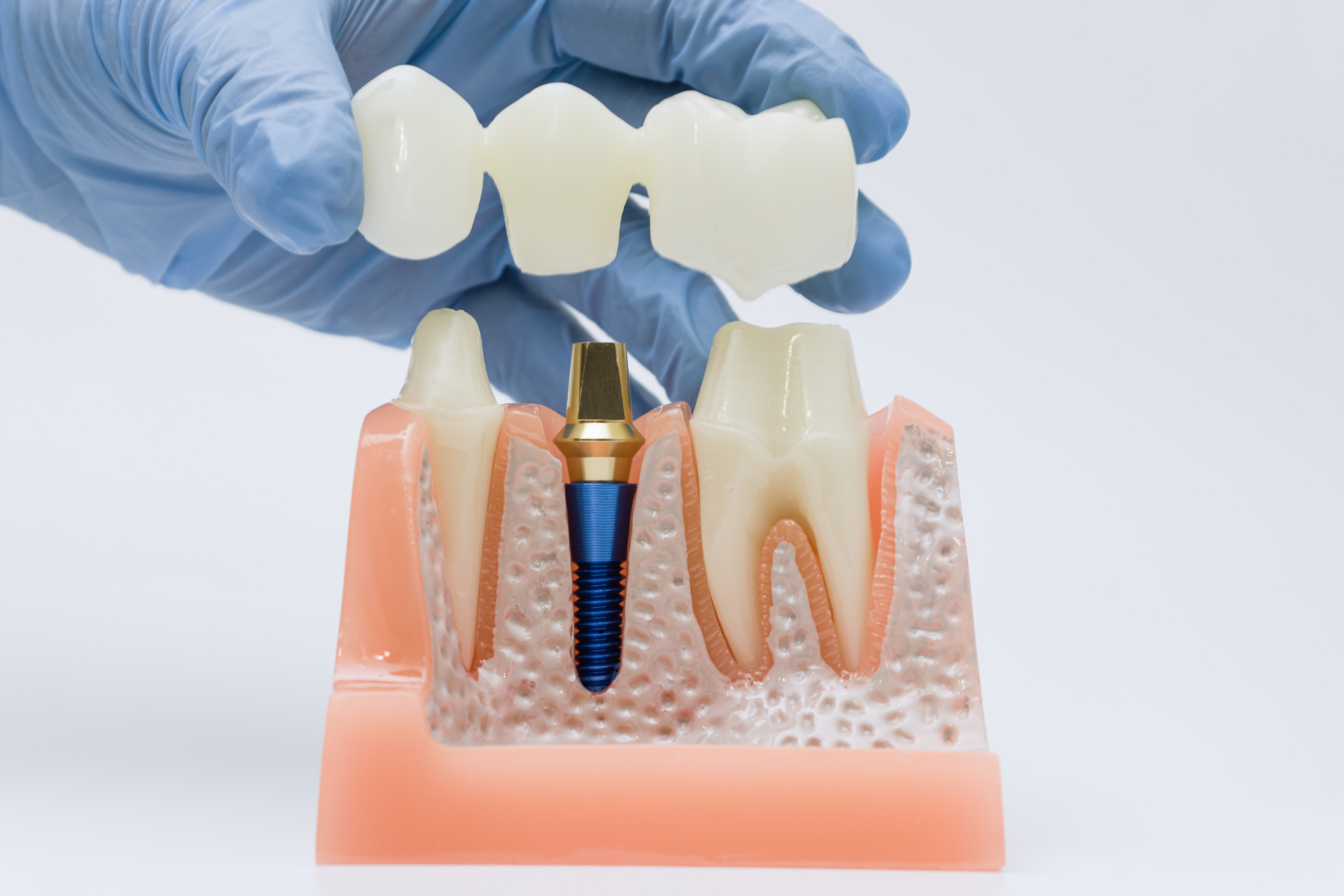
A dental crown, also called a tooth cap, is a custom-made cover placed over a weak, cracked, worn, or heavily restored tooth. It helps protect the natural tooth underneath while restoring shape, strength, function, and appearance.
If you are considering dental crowns in Mumbai, this guide explains the modern crown options, the procedure, cost factors, and aftercare in simple, patient-friendly language.
What is a Dental Crown?
A dental crown is like a protective helmet for your tooth. It covers the visible part of the tooth and helps protect the remaining natural structure underneath.
But a crown is not only about looks.
It can help you chew more comfortably, protect a weak tooth from further damage, and restore a tooth after treatment such as Root Canal Treatment. In everyday language, many patients call it a tooth cap. Dentists usually call it a crown.
A well-planned crown should feel comfortable, match your bite, and blend naturally with the surrounding teeth.
When Do You Need a Dental Crown?
You may need a dental crown when a tooth needs more support than a regular filling can provide.
Dentists commonly recommend crowns for:
• A tooth that has become weak after Root Canal Treatment
• A cracked, fractured, or broken tooth
• A severely worn-down tooth
• A tooth with a very large filling and limited natural structure left
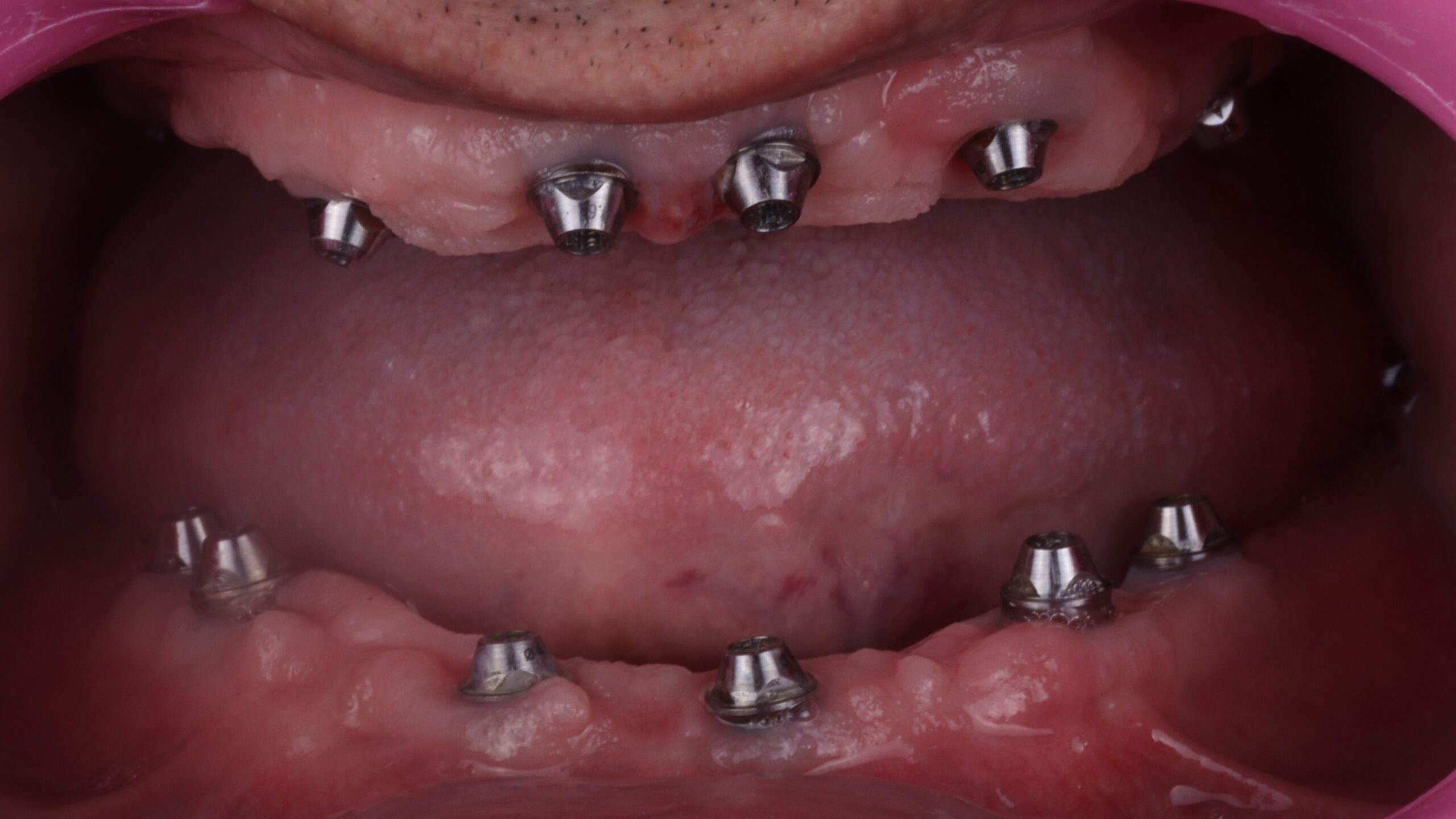
• A dental implant that needs a final visible tooth replacement
• A misshapen or discoloured tooth affecting smile balance
The goal is simple: save and protect the tooth wherever possible while making it look and feel natural.
Small but important note: A crown is not just a cosmetic cover. It is a functional restoration designed to help you bite, chew, speak, and smile with confidence.
Modern Types of Dental Crowns Explained
Not every crown is made from the same material. The best option depends on the tooth position, chewing pressure, smile goals, bite condition, and your dentist’s treatment plan.
At modern dental practices, crown selection is usually focused on strong, aesthetic, and tooth-coloured materials.
1. Zirconia Crowns
Zirconia crowns are known for their strength and durability. They are commonly used for back teeth because molars handle higher chewing pressure.
They are also tooth-coloured and metal-free, making them a popular choice for patients who want strength without compromising appearance.
• Pros: Strong, durable, tooth-coloured, metal-free, and suitable for digital crown workflows.
• Best for: Back teeth, heavy chewing areas, and cases where strength is a priority.
2. Lithium Disilicate Crowns
Lithium disilicate crowns are often chosen when appearance is very important, especially for front teeth or visible smile areas.
They can mimic the natural translucency of enamel, which helps the crown blend beautifully with nearby teeth.
• Pros: Excellent natural appearance, good strength for selected cases, and a metal-free design.
• Best for: Front teeth, smile-zone restorations, and patients who are concerned about the crown looking artificial.
3. CAD-CAM Crowns
CAD-CAM crowns are made using digital design and manufacturing technology. CAD stands for computer-aided design, and CAM stands for computer-aided manufacturing.
This is not a crown material by itself. It is a digital workflow used to design and create crowns with better precision and fit.
Depending on the case, CAD-CAM technology may be used with materials such as zirconia or ceramic.
• Pros: Precise digital design, improved fit, faster workflow in selected cases, and a more comfortable impression experience when digital scanning is used.
• Best for: Patients looking for accurate, digitally planned restorations where suitable.
Comparison Table: Choosing the Right Crown Option
| Crown Option | Durability | Appearance | Best Usage |
|---|---|---|---|
| Zirconia Crowns | Excellent | Good to very good | Back teeth, heavy bite areas, strong metal-free restorations |
| Lithium Disilicate Crowns | Very good | Excellent | Front teeth and visible smile areas |
| CAD-CAM Crowns | Depends on material used | Good to excellent | Digitally designed crowns for precise fit and planning |
The right dental crown is not always the most expensive one. It is the one that matches your tooth position, bite, smile needs, and long-term oral health.
The Dental Crown Procedure: What to Expect
Many patients feel nervous because they imagine the dental crown procedure will be painful. With modern local anaesthesia and careful planning, the process is usually comfortable and straightforward.
Here is what typically happens:
1. Consultation and Assessment
Your dentist examines the tooth and may take X-rays or digital scans. This helps check the tooth structure, root, gums, bite, and surrounding bone. If there is decay, infection, or damage, that may need to be treated first.
2. Tooth Preparation
The tooth is gently reshaped so the crown can fit properly. This is usually done under local anaesthesia, so the area is numb and comfortable during the procedure.
3. Digital Scan or Impression
The dentist records the shape of your prepared tooth and surrounding teeth. In suitable cases, digital scanning may be used instead of traditional moulds. This helps the dental lab or digital system create a crown that fits your tooth and bite accurately.
4. Temporary Crown
A temporary crown may be placed while the final crown is being made. This protects the prepared tooth and helps you chew carefully until the permanent crown is ready.
5. Final Crown Placement
Once your custom crown is ready, your dentist checks the fit, bite, shade, and comfort. After any needed adjustments, the crown is bonded securely.
A well-fitting crown matters because even tiny gaps or bite issues can affect comfort, food trapping, gum health, and long-term stability.
Dental Crown Cost and Aftercare
What Affects Dental Crown Cost in Mumbai?
Dental crown cost can vary because every tooth and treatment plan is different.
The cost usually depends on:
• The crown material selected
• The position of the tooth
• The condition of the natural tooth
• Whether Root Canal Treatment is needed
• Whether core build-up is required
• Whether the crown is placed on a natural tooth or dental implant
• The level of digital planning or lab work involved
A front tooth crown may require more detailed shade matching because it is visible when you smile. A back tooth crown may need a stronger material because it handles more chewing force.
At Pradhan Dental Centre, the treatment plan is customised after a clinical evaluation. This helps you understand what is being recommended, why it is needed, and what the expected investment will be before treatment begins.
How to Care for Your Dental Crown
A dental crown is strong, but it still needs care. The crown itself cannot get a cavity, but the natural tooth underneath and the gum around it still need protection.
To care for your crown:
• Brush twice daily with a soft-bristled toothbrush
• Floss carefully around the crown every day
• Avoid chewing ice, pens, hard candy, or very hard foods
• Wear a night guard if you grind or clench your teeth
• Visit your dentist every 6 months for check-ups and cleaning
• Report pain, looseness, or food trapping early
Treat your crown like a natural tooth. Good hygiene around the gumline is one of the biggest factors in long-term success.
FAQs About Dental Crowns
Is the dental crown procedure painful?
No. The procedure is usually done under local anaesthesia, so the tooth and surrounding area are numb. Most patients describe it as similar to getting a filling.
How long do dental crowns last?
Dental crowns can last many years with good care. Their lifespan depends on the material, bite pressure, oral hygiene, and whether you grind or clench your teeth.
Can a crowned tooth get a cavity?
Yes. The crown itself cannot decay, but the natural tooth underneath can still develop decay near the crown edges if cleaning is poor. This is why brushing, flossing, and regular dental check-ups are important.
How much does a dental crown cost?
The cost depends on the material, tooth condition, location of the tooth, and complexity of the case. A consultation helps your dentist recommend the right crown and provide a transparent quote.
Can a dental crown fall off?
It is uncommon, but it can happen if the cement weakens, decay develops underneath, or the crown faces excessive bite force. If this happens, keep the crown safely and contact your dentist immediately. Do not try to glue it back at home.
Which type of dental crown is best?
There is no single best crown for everyone. Zirconia may be better for strength, while lithium disilicate may be better for highly visible front teeth. Your dentist will recommend the best option after checking your tooth, bite, and smile needs.
Final Takeaway
Dental crowns are one of the most reliable ways to protect a damaged tooth and restore comfortable chewing, natural appearance, and confidence. The best crown is not simply the strongest or most expensive one. It is the one that fits your tooth, bite, and long-term needs.
If you are considering dental crowns in Mumbai, book a consultation at Pradhan Dental Centre to understand your options clearly and choose a restoration planned with precision, comfort, and care.